 About Us
NEP–NCF
Programmes
What We Offer
Exposure Visit
Resources
Register Interest
About Us
NEP–NCF
Programmes
What We Offer
Exposure Visit
Resources
Register Interest
CBSE timelines for skill education implementation begin in
2026–27—but most schools are still figuring out how to implement.
With 20+ years of experience working with NCERT and State
Governments to drive skill education, Lend A Hand India brings deep policy and
implementation expertise.
Its team members have contributed to textbook development and CSL guidelines, and its Karigar School has been selected by CBSE as an exposure site among 12 leading institutions across India.
Lend A Hand India partners with CBSE schools across India to
implement NEP–NCF aligned skill education—sustainably and at scale.
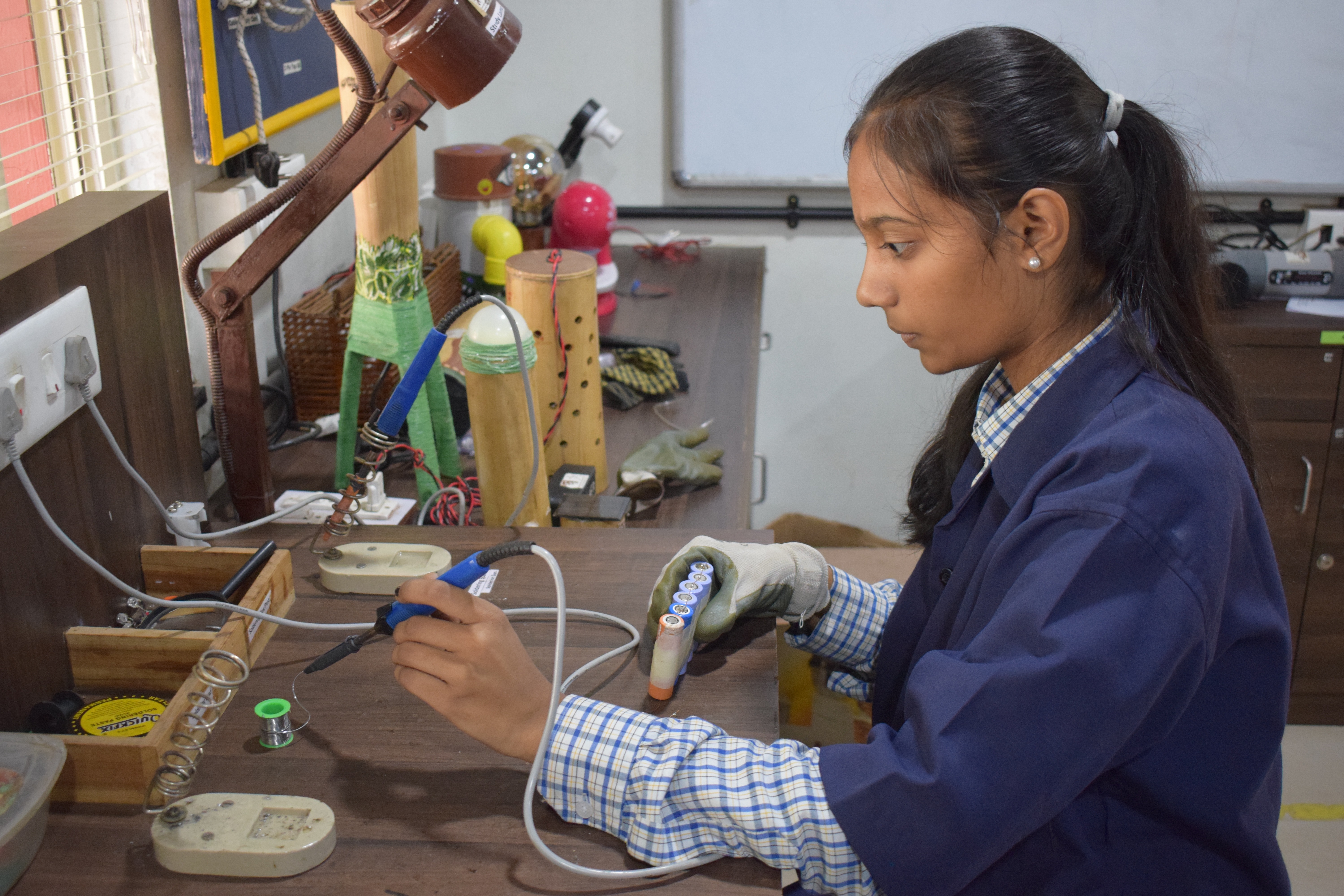
Lend A Hand India (LAHI) is a 20+ year organisation working at the intersection of education and skilling—recognised in the Economic Survey 2023–24, working with NCERT on curriculum design, and partnering with 20+ State Governments on implementation.
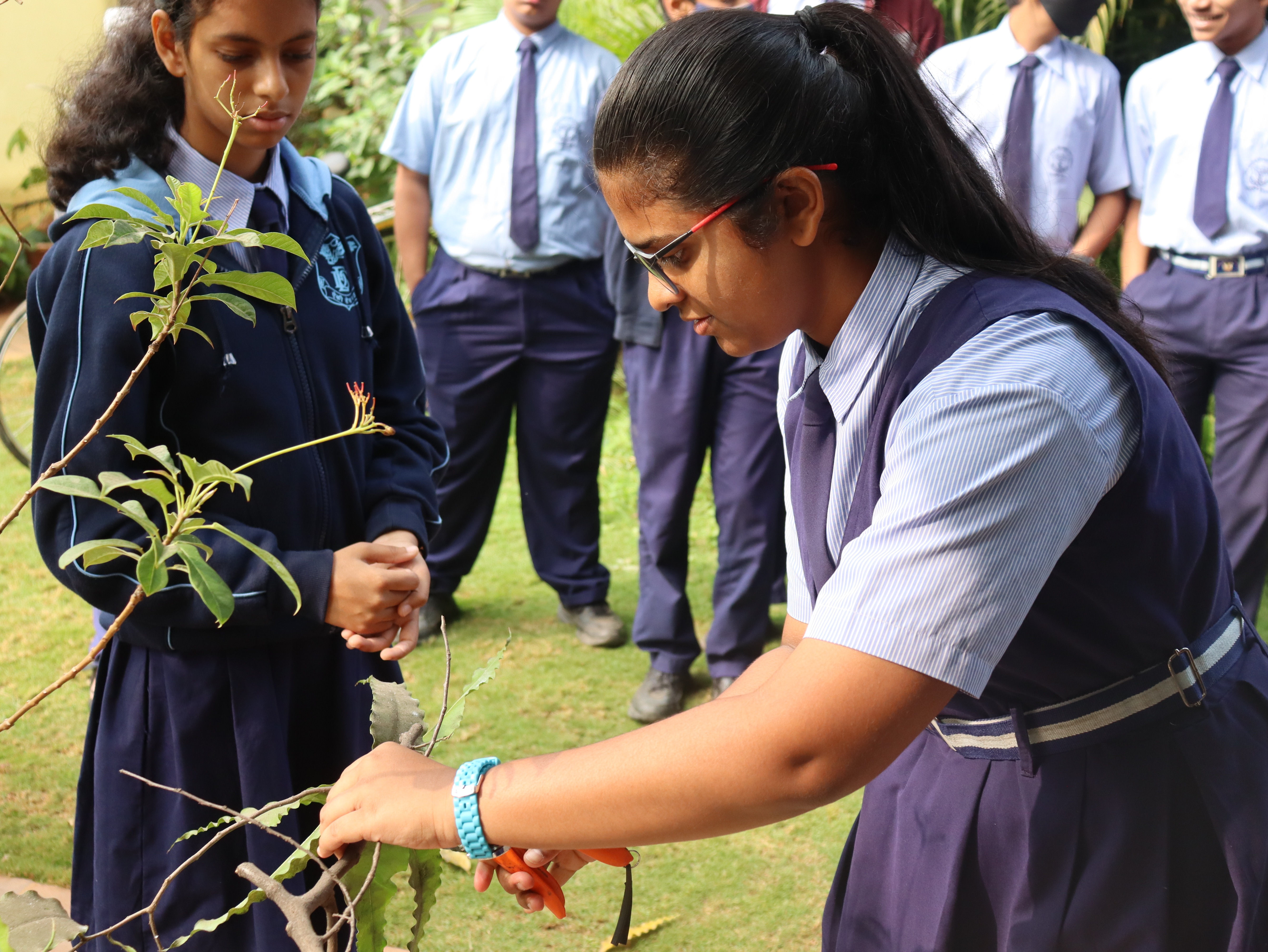
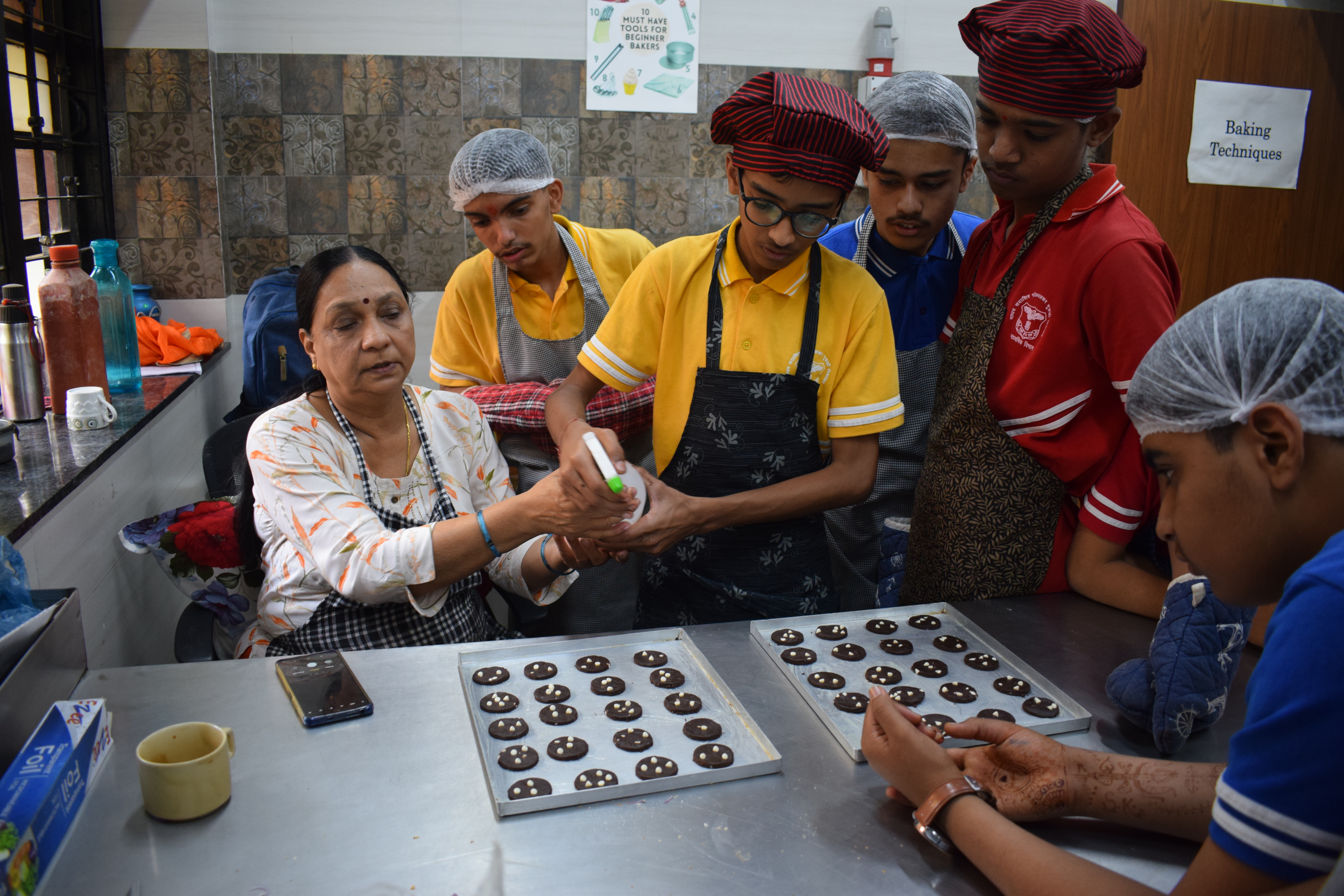
Unlike typical programme providers, Lend A Hand India works as an implementation partner to schools - supporting not just curriculum, but actual classroom delivery, teacher capacity, and long-term sustainability.
With CBSE aligning to NEP–NCF, schools need more than content—they need clarity on how to implement. That is where Lend A Hand India brings depth.
Recognised by the Ministry of Finance in the Economic Survey 2023–24 for transformative work in vocational education.
and knowledge partner to 20+ State Governments for designing and implementing vocational education frameworks. Lend A Hand India team members have also contributed to development and Composite Skill Lab (CSL) guidelines.
Worked across CBSE, state boards, government and private schools—directly with 150+ schools and reaching 16,000+ schools through state partnerships. Enabled large-scale implementation of vocational education and initiatives like Atal Tinkering Labs.
Lend A Hand India supports the full implementation journey—curriculum, training, classroom delivery, and monitoring—while building teacher capability to ensure long-term, independent execution by the school.
Here's what is changing—and what it means for your school.
Minimum 110 hours per year per grade (6–10) is expected—this needs structured timetabling and delivery.
Kaushal Bodh (6–8) and multi-sector modules (9–10) are now part of the core learning framework.
Skill education is increasingly linked to affiliation and inspections—schools will be assessed on implementation.
Work-based learning and internships are expected to connect classroom learning with real-world exposure.
Most schools understand the policy. The real challenge is implementation.
Lend A Hand India's programmes are directly aligned to the NCF 2023 framework — designed to be delivered within your existing school structure with dedicated teacher support.
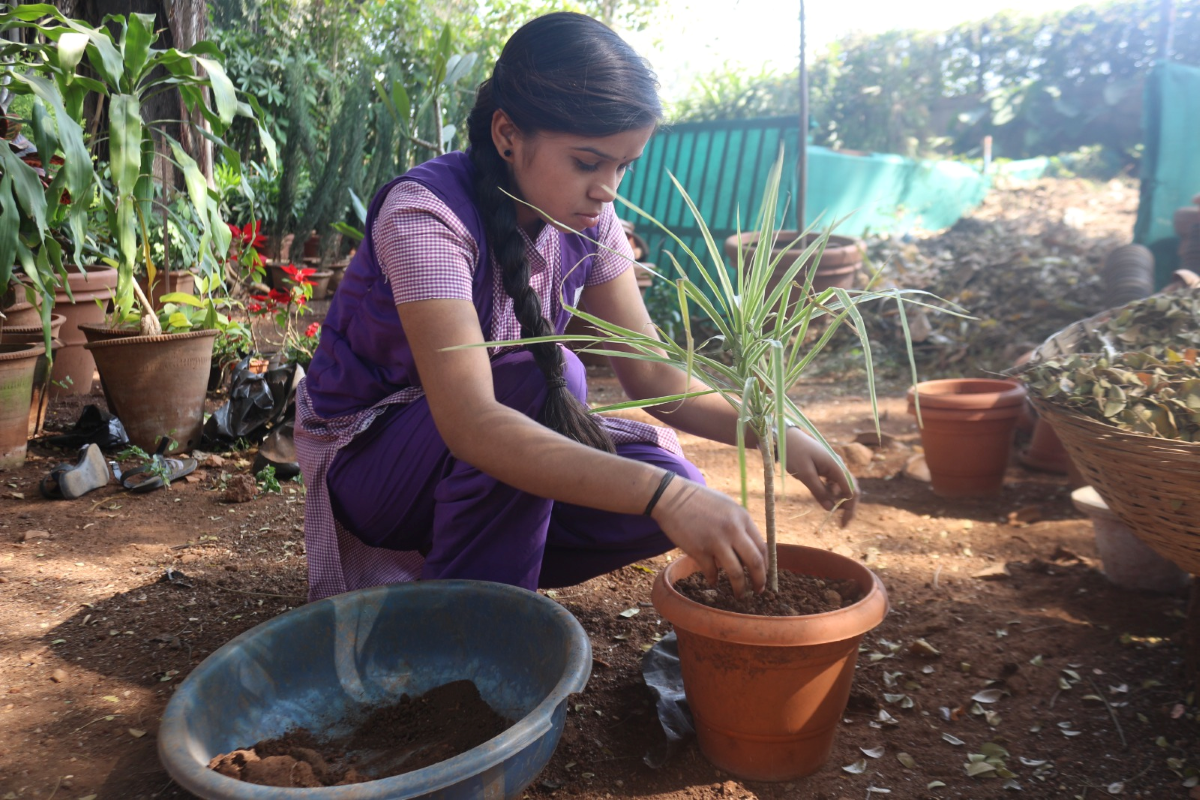
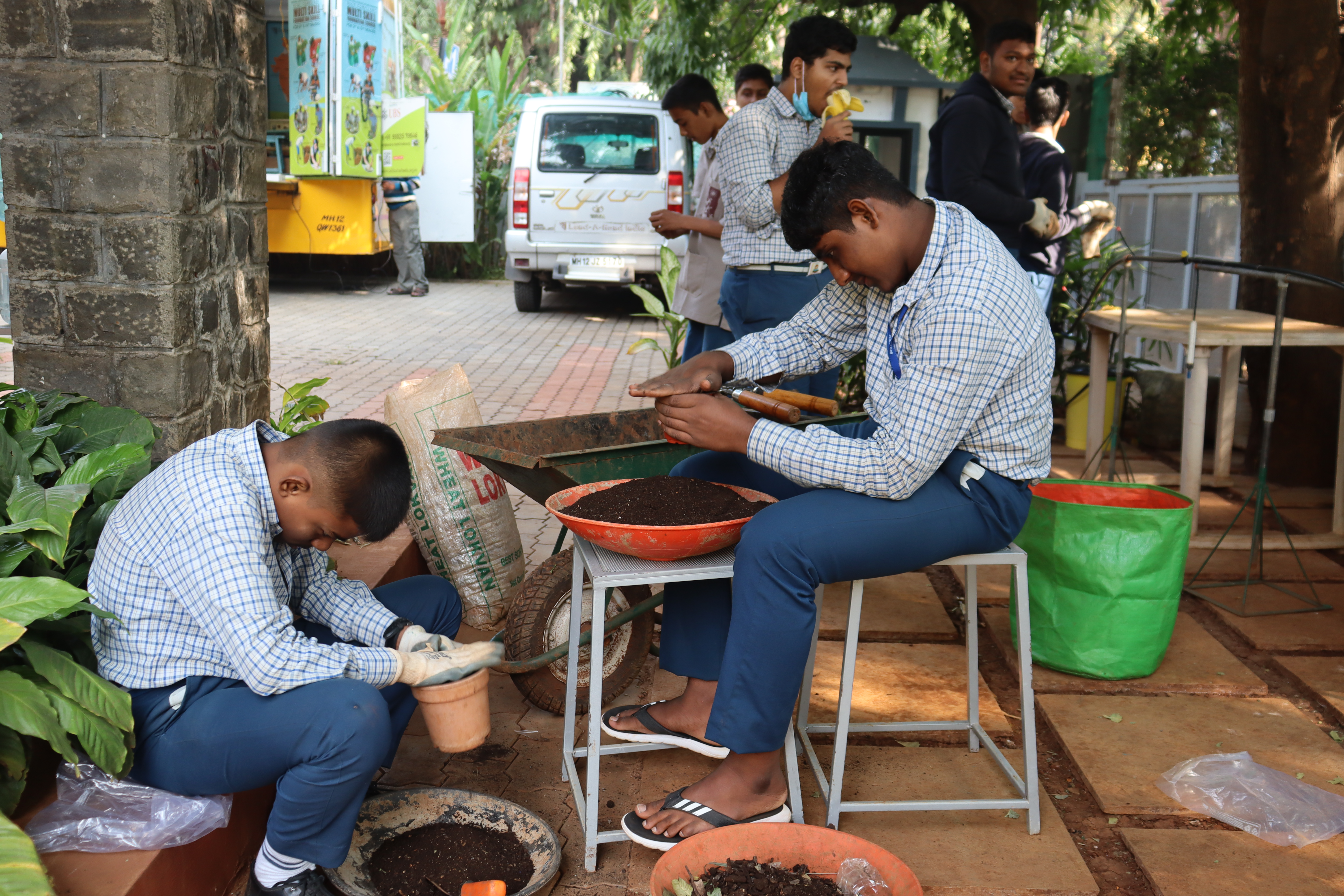
An exploratory, hands-on programme that introduces students to the world of work through structured activities across life forms, machines & materials, and human services—building curiosity, practical thinking, and real-life connections.
Sample Activity Areas:
What this means for your school
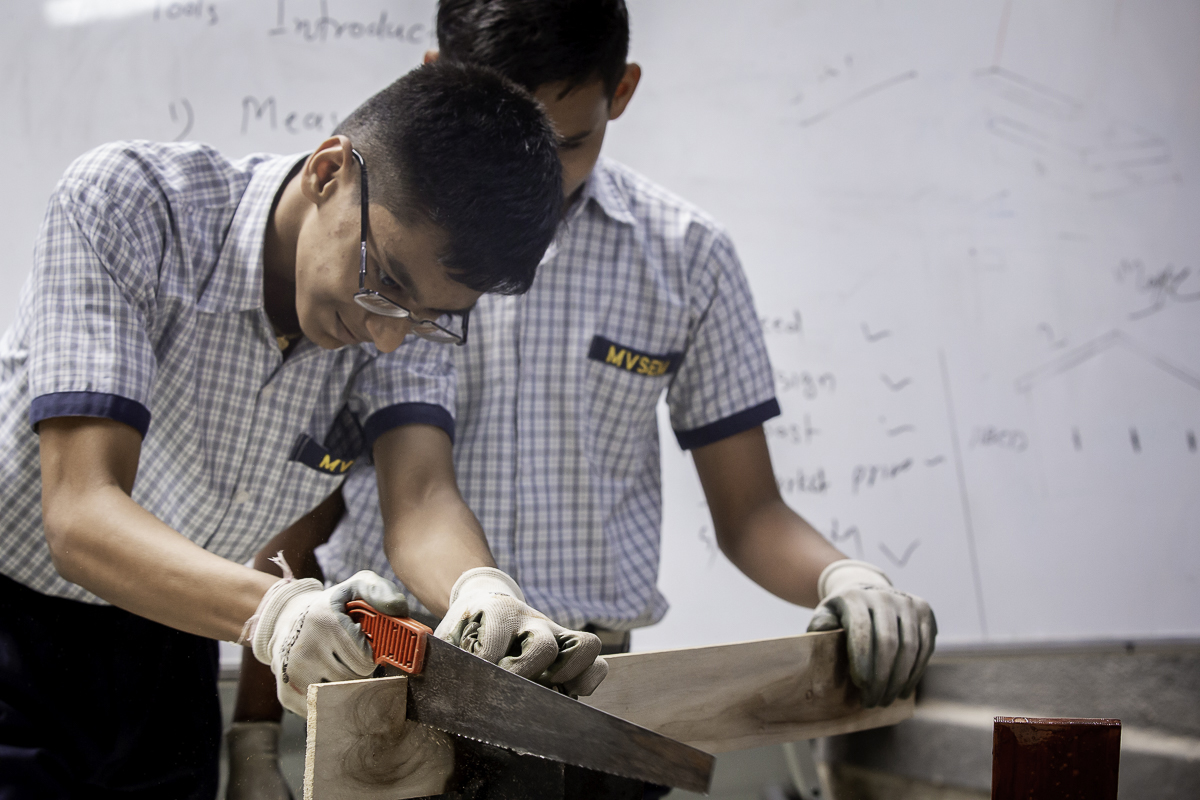
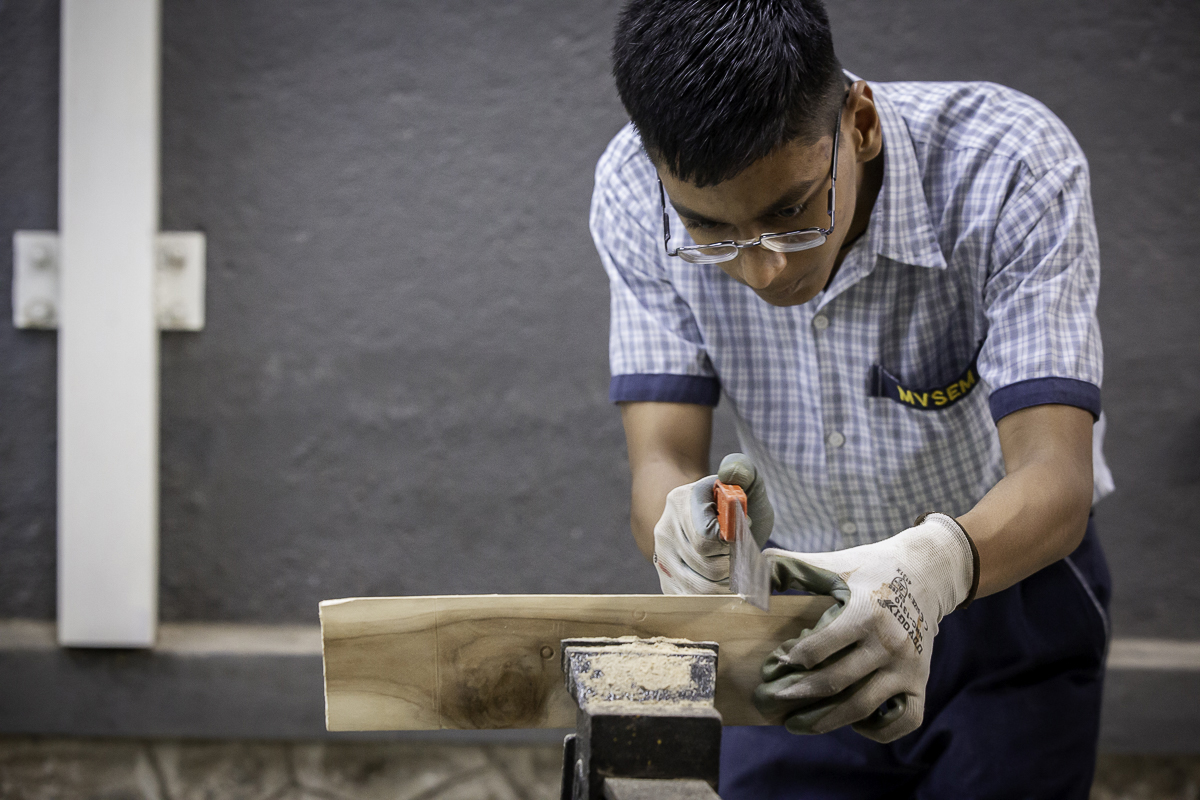
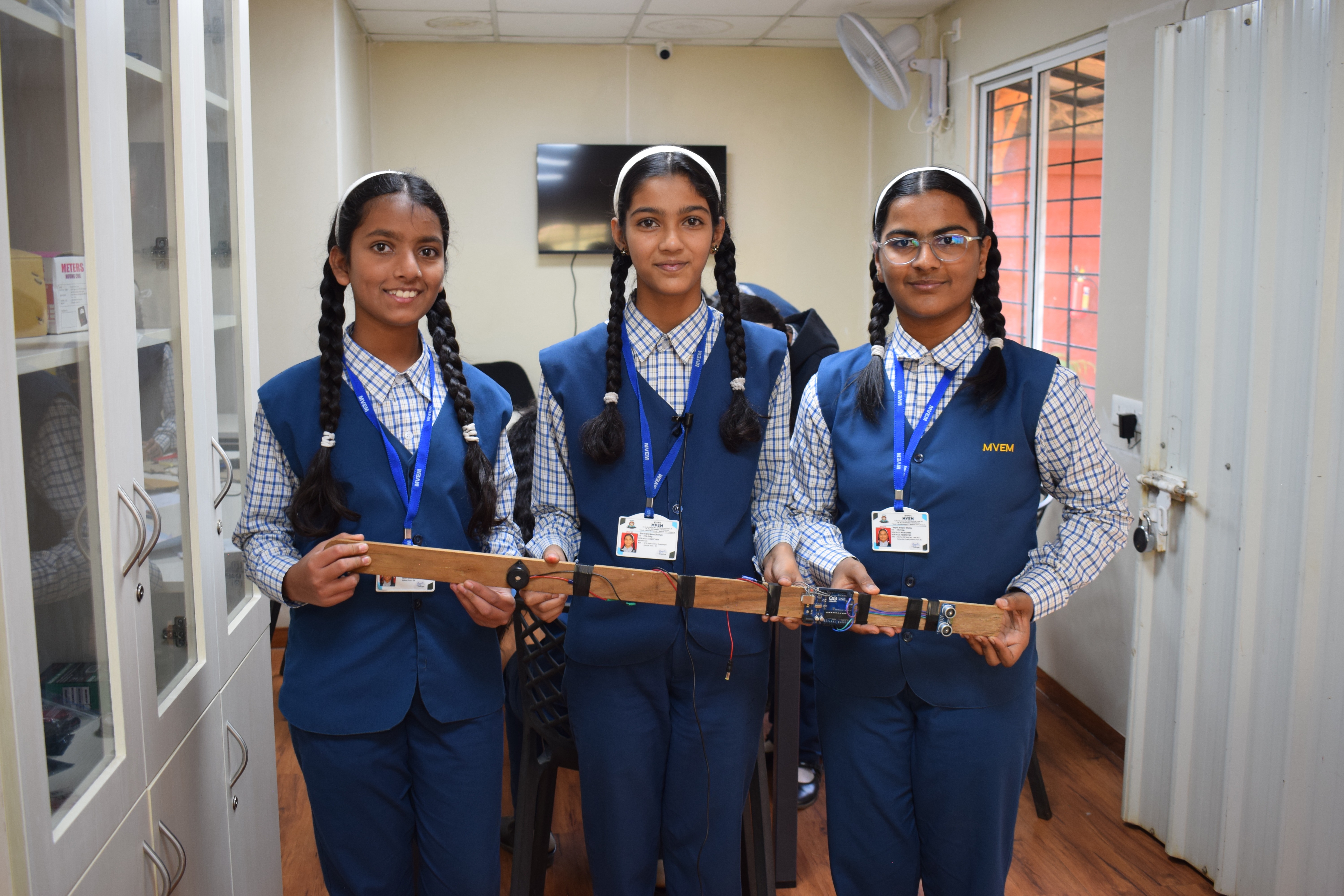
Multi-sector skill education aligned to NSQF Level 1–2, introducing students to real-world vocational pathways. Each grade covers three sector modules, delivered through structured, hands-on learning using NCERT's curriculum and teaching-learning materials.
Indicative sectors:
What this means for your school
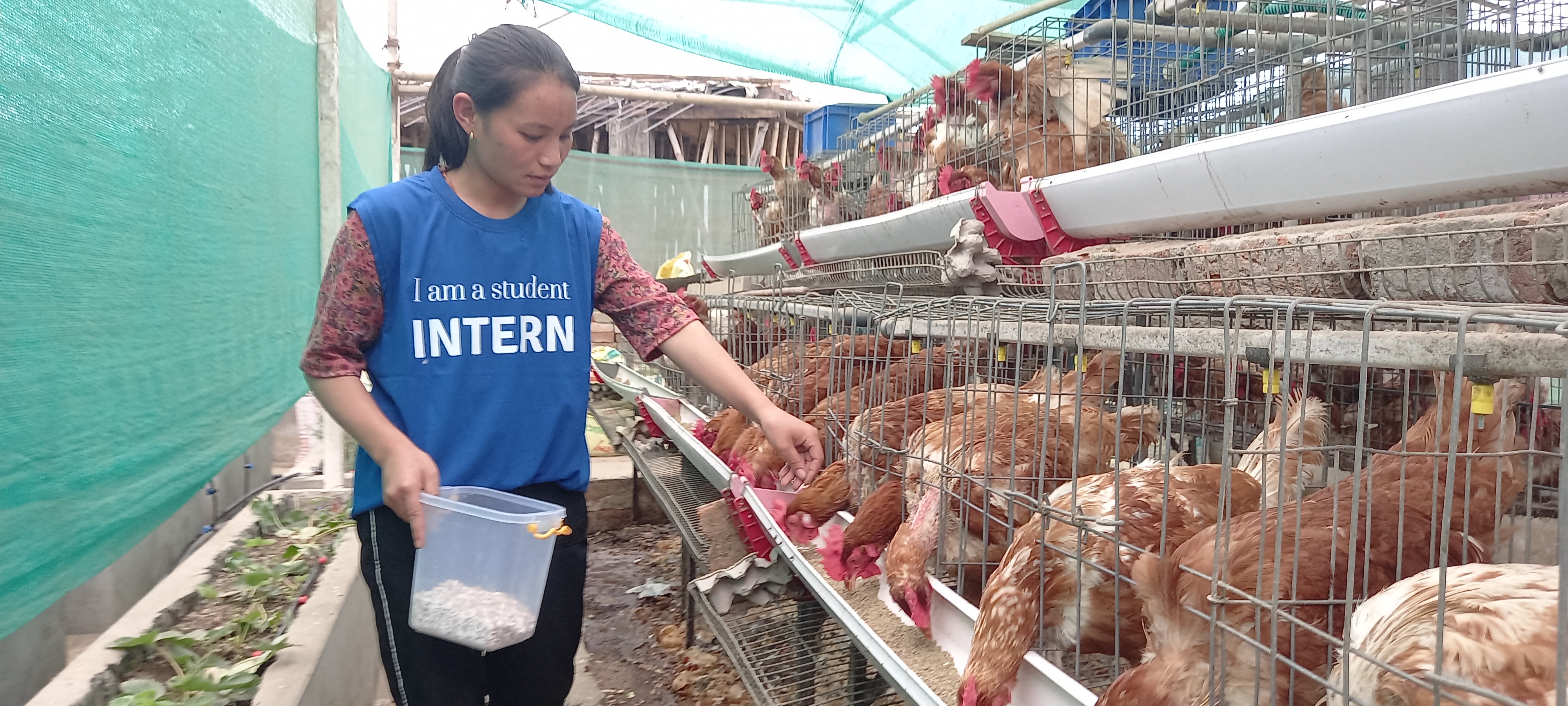
A structured internship programme for Grades 11–12 that enables students to experience the world of work and bridge the gap between school and careers.
Internships are facilitated with local micro, small, and medium enterprises (MSMEs), ensuring accessible, real-world exposure aligned to student interests and local opportunities.
Key Components:
What this means for your school
We function as an embedded partner — not a vendor. Every component below is designed to build your school's internal capacity for long-term, self-sustained skill education delivery.
A single toolkit enabling delivery across multiple vocational domains.
For your school
Hands-on training with ongoing academic support for teachers.
For your school
The curriculum is already defined by CBSE/NCERT. Lend A Hand India helps you get started with supplementary resources, contextualised projects, and early implementation support.
For your school
Continuous support to ensure effective classroom delivery.
For your school
As schools navigate skill education and NCF implementation, Lend A Hand India provides structured, end-to-end support.
Here is how a structured Lend A Hand India partnership differs from the typical approach.
| Aspect | Typical Approach | With Lend A Hand India |
|---|---|---|
| Implementation Model | Trial & error implementation | Structured, proven model |
| Training | One-time training | Continuous academic support |
| Who Teaches | External trainers | Teacher-led classrooms |
| Focus | Content-focused | Implementation-focused |
| Experience | Limited system experience | 20+ years + NCERT + Govt partnerships |
A 2-day immersive visit to Karigar School of Applied Learning, Pune — India's model for hands-on skill education. Meet, learn, and experience NEP-NCF implementation in action. Most schools decide their next step after this visit.
The visit gives school leaders a direct experience of NEP–NCF implementation in practice—labs, curriculum, teachers, and students—so you leave with clarity on your next step.
Whether you're exploring skill education for the first time, looking to formalise what you've started, or ready to move forward—we'd love to connect.
You can engage with Lend A Hand India in multiple ways:
After you submit this form, a member of the Lend A Hand India CBSE team will reach out within 2 working days to understand your school's context and discuss possible pathways.
What happens next
Skills on Wheels
By submitting, you agree to be contacted by Lend A Hand India's team. Your details will not be shared with third parties.
We've received your interest. A member of the Lend A Hand India CBSE team will reach out within 2 working days.
cbse@lendahandindia.org · 020-25630092
Key policy documents and CBSE circulars that shape skill education implementation for schools.
Mandates skill education from Grade 6, replacing rote learning with competency-based, experiential learning.
Operationalises NEP in classrooms — introduces Kaushal Bodh and multi-sector skill exposure for Grades 6–10.
Multiple circulars pushing Composite Skill Labs, Kaushal Bodh implementation, and NEP–NCF alignment across schools.
~110 hours/year per CBSE guidelines — typically 4–5 periods per week per grade, in distributed or block models.
Real implementation stories from Lend A Hand India partner schools — how they started, what changed, and what they'd do differently.